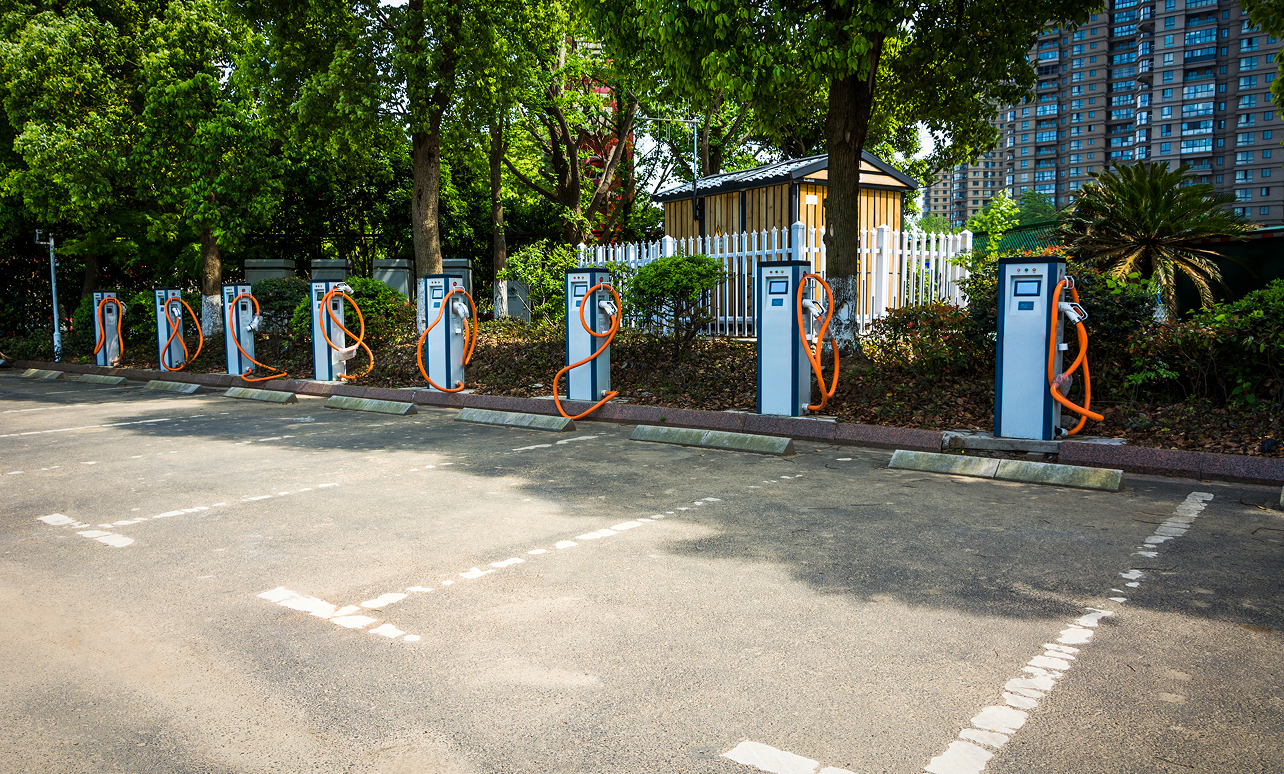
We are pioneering a program to convert the ubiquitous tuk-tuks (three-wheeled taxis) from gasoline to electric. This involves retrofitting existing vehicles with electric drivetrains or providing incentives for new e-tuk-tuks. A major innovation in our approach is the use of hot-swappable battery technology. Drivers can quickly exchange a depleted battery for a charged one at swap stations, instead of waiting to charge – solving the downtime issue and making electric tuk-tuks efficient for continuous commercial use. We aim to roll out battery swap stations across urban centers, each powered by solar panels and backed by battery storage so that the swapping service is itself running on clean energy. Along with this, we’re deploying an IoT-based fleet management system that helps track battery health, manage rentals/transactions, and optimize the distribution of batteries to where they’re needed. The program’s goal is to convert up to 15,000 tuk-tuks over the next 5–10 years, significantly cutting urban air pollution and improving livelihoods by lowering fuel costs for drivers.

 Key Features