



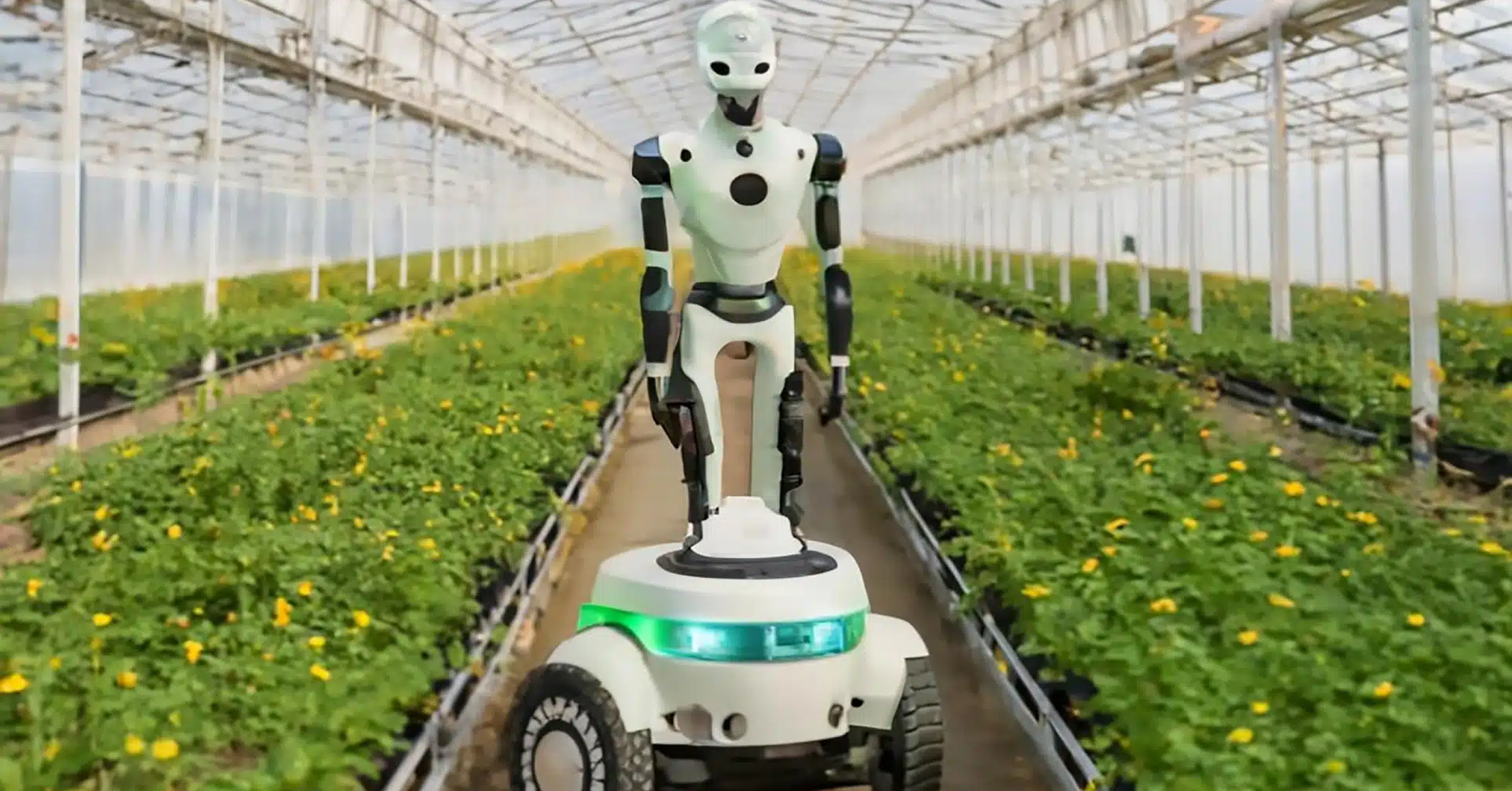
Agriculture has always been a cornerstone of human civilization, but in today’s world, it faces unprecedented challenges. Farming has been influenced by ever-changing dynamics like climate change, resource constraints, and evolving consumer demands which is necessitating a shift towards more sustainable and efficient farming practices. With a rapidly growing global population and environmental pressures mounting, the need for innovative solutions to improve productivity and profitability in farming has never been more evident. Key advancements in technology, particularly Artificial Intelligence (AI), are offering transformative opportunities for the agricultural sector.
In this article, we explore how AI is revolutionizing agronomy, the science of soil management and crop production, to enhance productivity and profitability for farmers worldwide.
Artificial Intelligence has emerged as a powerful tool in agronomy, offering farmers unprecedented insights and capabilities to optimize their operations. Here’s how AI is reshaping the landscape of agriculture:
AI enables precision agriculture by leveraging data analytics to provide tailored recommendations for crop management. By analyzing factors such as soil composition, weather patterns, and historical yield data, AI algorithms can generate precise prescriptions for planting, irrigation, and fertilization. This targeted approach minimize the input waste and maximize crop yields, ultimately improving profitability for farmers.
AI-driven technologies, such as drones equipped with cameras and sensors, revolutionize crop monitoring and management. These drones capture high-resolution images of fields, allowing AI algorithms to detect early signs of stress, nutrient deficiencies, or pest infestations. With real-time insights, farmers can take proactive measures to protect and nurture their crops, ultimately improving productivity and profitability. Drones equipped with AI can scout for the pests and use Intelligent targeted pesticide application, thereby effectively controlling the pests with minimal costs.
Healthy soil is the foundation of successful agriculture, yet assessing soil health traditionally requires time-consuming and labor-intensive methods. AI simplifies this process by analyzing soil samples and correlating data with crop performance indicators. By providing rapid and accurate assessments of soil fertility, pH levels, and microbial activity, AI helps farmers make informed decisions about soil management practices, leading to improved crop yields and profitability.
One of the key strengths of AI lies in its ability to analyze vast amounts of data and identify patterns that humans might overlook. In agronomy, predictive analytics powered by AI can forecast weather conditions, pest outbreaks, and crop yields with remarkable accuracy. Armed with these insights, farmers can make informed decisions about when to plant, harvest, or apply pesticides, reducing risks and optimizing resource utilization. Yield mapping Ai algorithms analyze large datasets in real time and by combining techniques like 3D mapping, data from sensors and drones, farmers can predict yields for specific crops. Data is collected through multiple drone flights with use of algorithms permit the accurate prediction of future yields for specific crops, helping farmers know where and when to sow seeds as well as how to allocate resources for the best return on investment.
While AI holds tremendous promise for revolutionizing agronomy, its widespread adoption faces challenges such as access to quality data, affordability of AI technologies, and ensuring equitable distribution of benefits across diverse farming communities. Moreover, addressing concerns related to data privacy, algorithmic bias, and regulatory compliance is essential to foster trust and acceptance of AI solutions in agriculture. However, by collaborating with researchers, policymakers, and industry stakeholders, these challenges can be overcome, unlocking the full potential of AI for sustainable and inclusive agriculture.
Artificial Intelligence is poised to transform agriculture into a data-driven, efficient and resilient industry capable of feeding a growing global population while preserving the planet’s natural resources. By leveraging the power of AI in agronomy, farmers can improve productivity and profitability while promoting environmental sustainability and food security. As AI technology continue to evolve and become more accessible, it hold the promise of revolutionizing farming practices worldwide, ushering in a new era of prosperity for farmers and consumers alike.


From the first consultation to the final rollout, CommVerse Global delivered professionalism, creativity and measurable results. We saw a 40% uptick in stakeholder interactions within two months.

Working with CommVerse Global has completely transformed our internal communications. Their team designed and implemented a vibrant, multi-channel strategy that has increased employee engagement

CommVerse Global’s ability to tailor their services to our unique needs stood out. They helped us integrate messaging across PR, digital and live events seamlessly. The impact has been impressive.

CommVerse Global’s ability to tailor their services to our unique needs stood out. They helped us integrate messaging across PR, digital and live events seamlessly. The impact has been impressive.
 Cogito AI
 25 November, 2025