
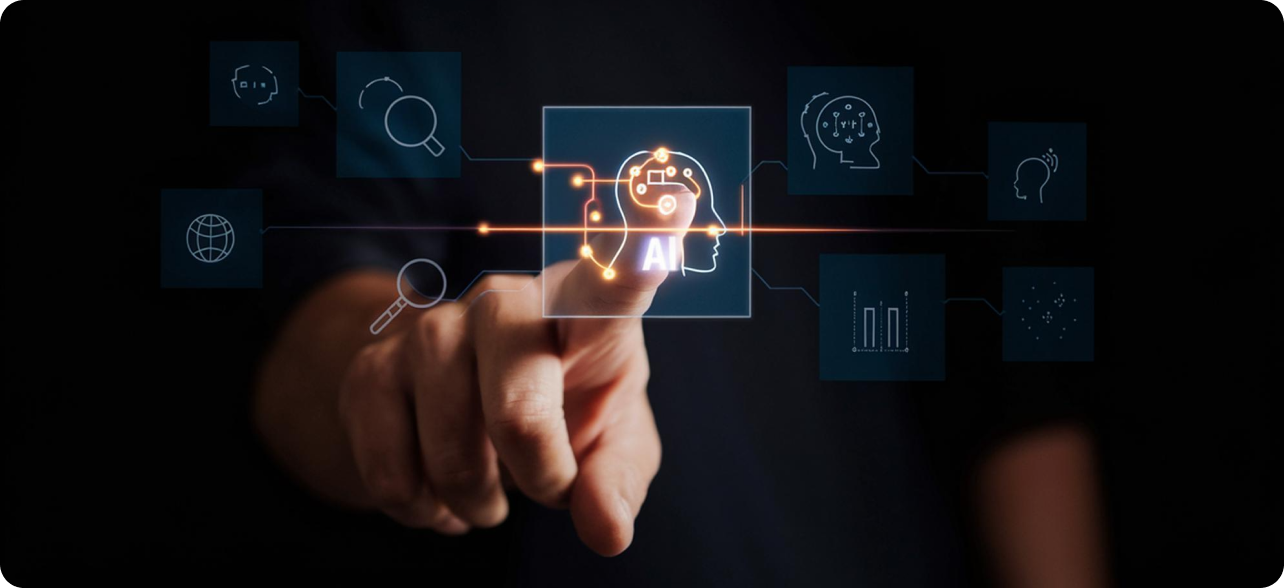
Artificial Intelligence is no longer a futuristic add-on in product design—it is now the driving force behind how users interact with digital platforms. From hyper-personalization to predictive workflows, AI is enabling products to deliver experiences that feel intuitive, efficient, and uniquely tailored.
In 2025, companies integrating AI-driven UX strategies are experiencing higher engagement, reduced friction, and improved customer retention. This article explores how AI is transforming user experience and why it’s becoming essential for modern digital products.
Photo by Unsplash
Personalization has evolved far beyond basic recommendations. AI now processes user behavior, preferences, location, time, and even emotional triggers to create experiences that adapt in real time.
Examples:
This shift eliminates one-size-fits-all design and moves toward individualized digital experiences.
Predictive UX is one of the biggest breakthroughs fueled by AI. Instead of reacting to user inputs, digital products now anticipate what users need next.
Common NLX applications:
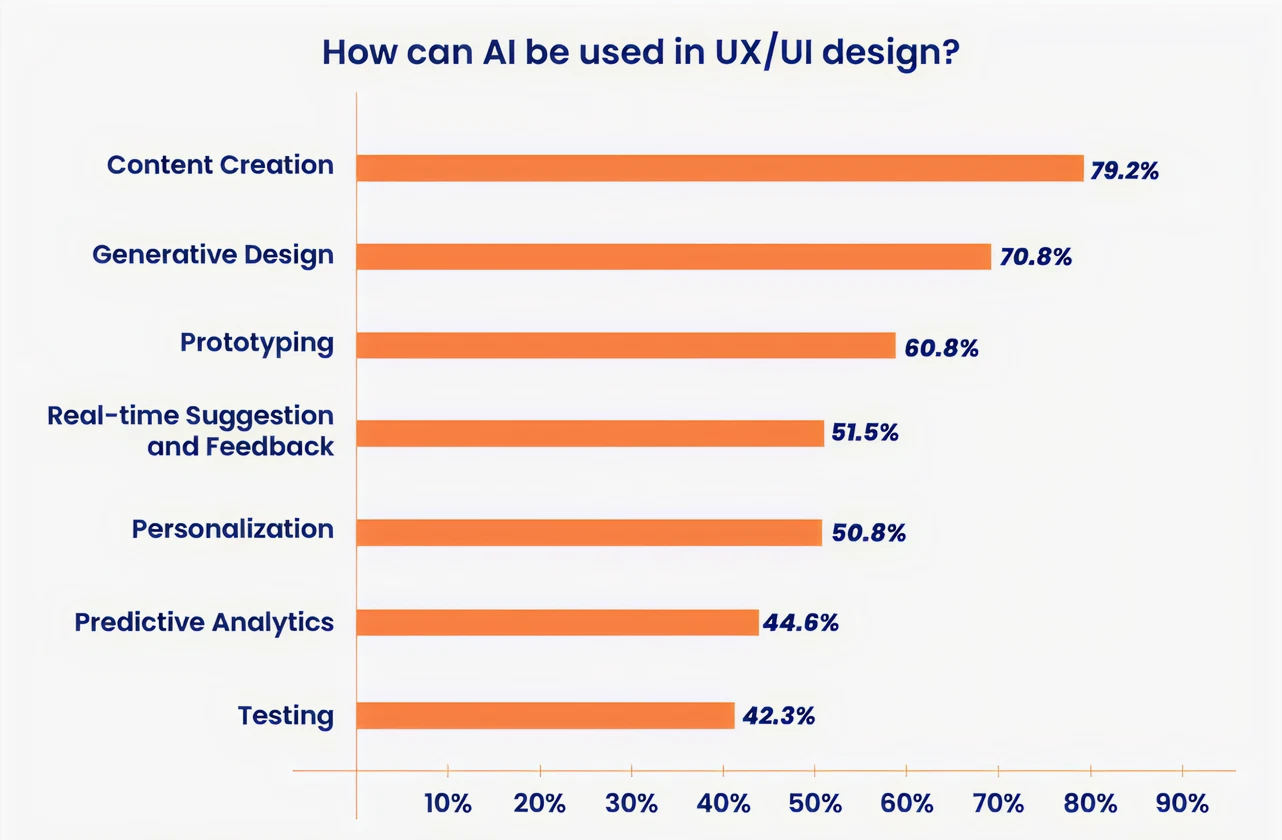
Photo credit by Goodfirms
Predictive design shortens the user journey and significantly improves task completion rates.
Conversational interfaces are becoming a primary layer of UX. With advancements in NLP (Natural Language Processing), users can now interact with products through natural text or voice commands.
Common NLX applications:
NLX reduces friction, improves accessibility, and allows users to complete tasks faster.
AI can now automate repetitive or tedious interactions within interfaces, enhancing both productivity and satisfaction.
Key improvements:
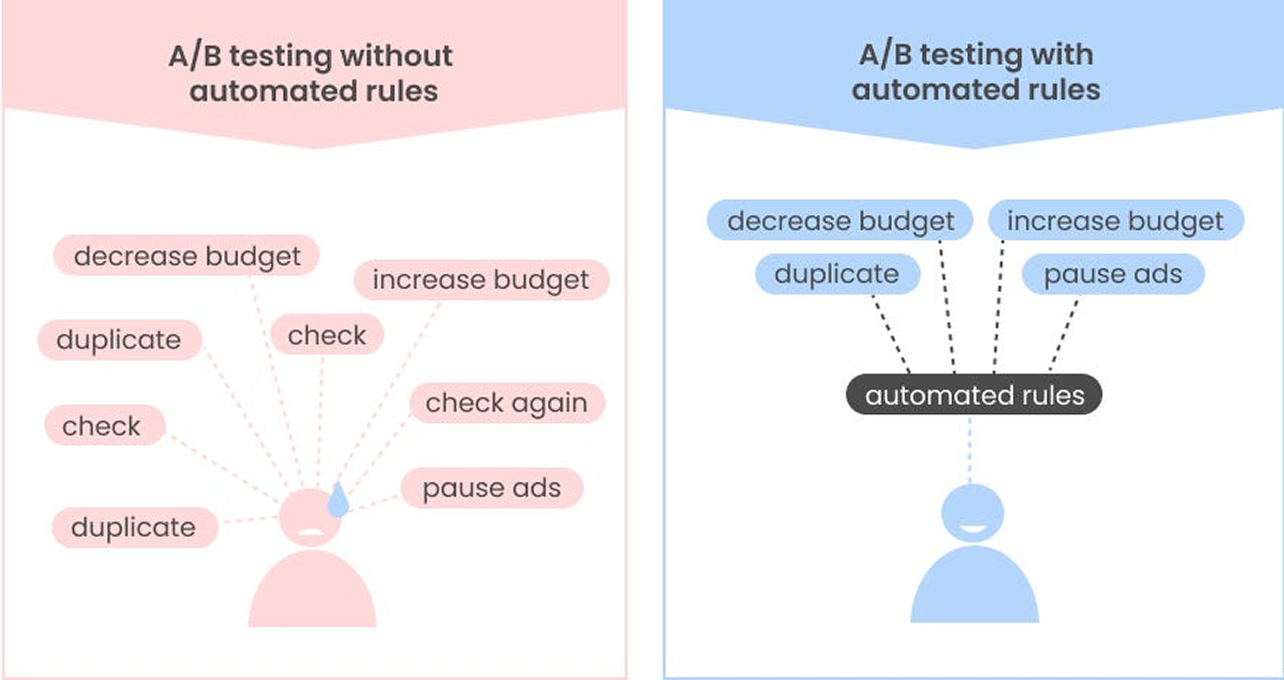
Photo credit by Medium
NLX reduces friction, improves accessibility, and allows users to complete tasks faster.
AI tools are revolutionizing how designers create, iterate, and validate UI.
Design enhancements include:
Designers can focus more on strategy while AI handles repetitive groundwork.
With cloud-powered AI models, products can now deliver consistent, scalable experiences across devices and regions.
Benefits of cloud-backed AI UX:
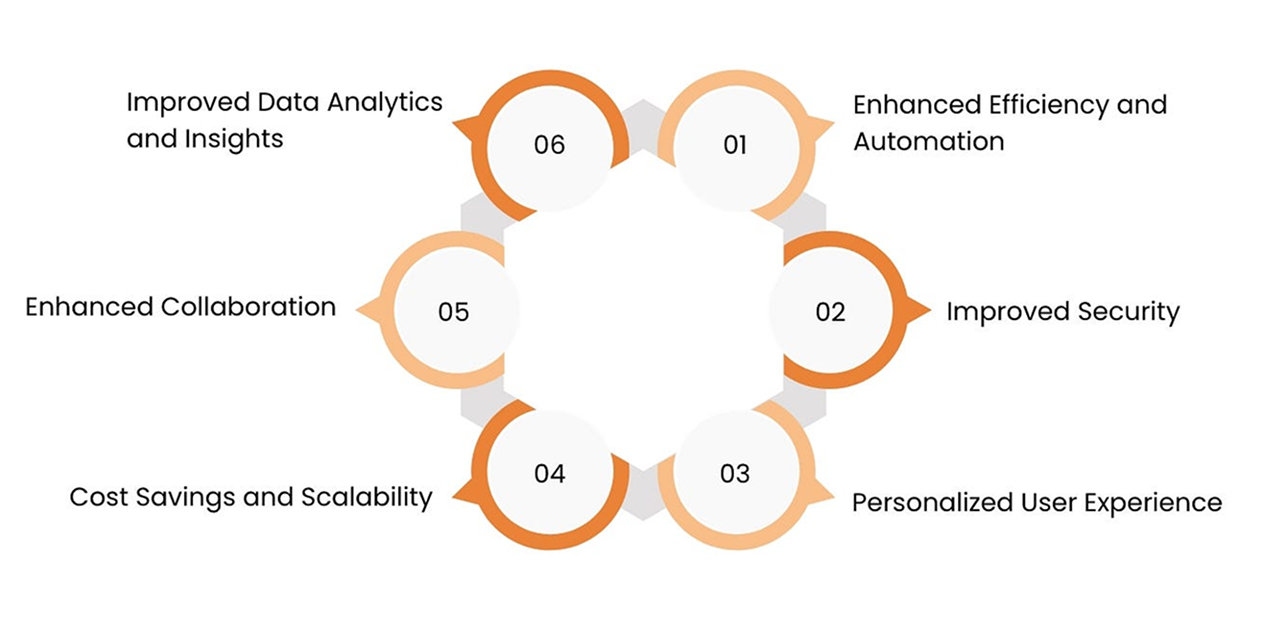
Photo credit by Medium
For enterprises operating in multiple markets, cloud-driven AI ensures a unified product experience for all users.
As AI influences more user interactions, responsible implementation becomes critical.
UX teams must ensure:
Responsible AI builds trust and long-term user loyalty.
AI is reshaping UX in ways that were once unimaginable. From predictive behavior to intelligent automation and conversational experiences, the future of digital interaction is becoming smarter and more human-centered.
Companies that embrace AI-driven UX design in 2025 will not only elevate user satisfaction but also gain a measurable competitive edge.

Lorem ipsum dolor sit amet consectetur adipisicing elit. Porro aut doloremque rem alias, architecto omnis autem debitis inventore quidem ratione deleniti odit similique? Maiores repellat possimus eius mollitia sint.
We maintain quality through automated testing, peer reviews, and iterative feedback loops to ensure every release meets expectations.
We maintain quality through automated testing, peer reviews, and iterative feedback loops to ensure every release meets expectations.
Hear from our clients and why 3000+
businesses trust Fortmindz

“Essential Designs was able to create a cutting edge application that will save lives, they always say "Anything can be done" and are definitely able to deliver on that promise.”

“Essential Designs was able to create a cutting edge application that will save lives, they always say "Anything can be done" and are definitely able to deliver on that promise.”
Transformation Engineers Delivered
Game-changing Products