Materials 101

Learn how to correctly dispose of our product materials to reduce environmental impact and support a cleaner future.

Aqueous

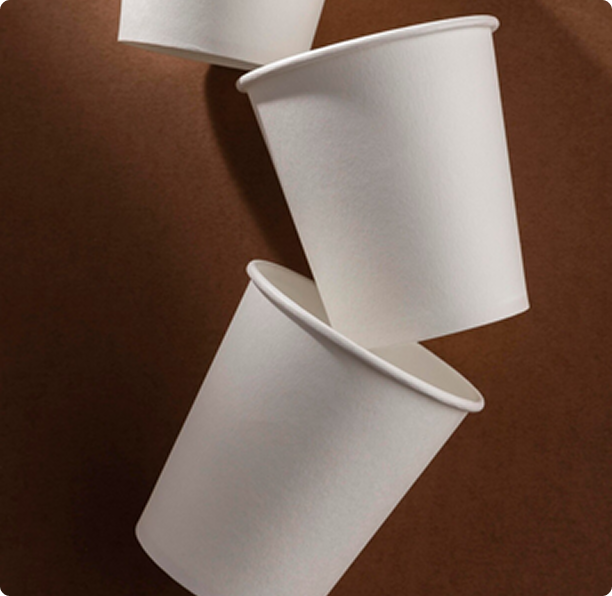
Aqueous cups are certified home compostable and manufactured using a unique waterproof barrier coating, reducing the material needed. Each cup is leakproof.

Plant Fibre

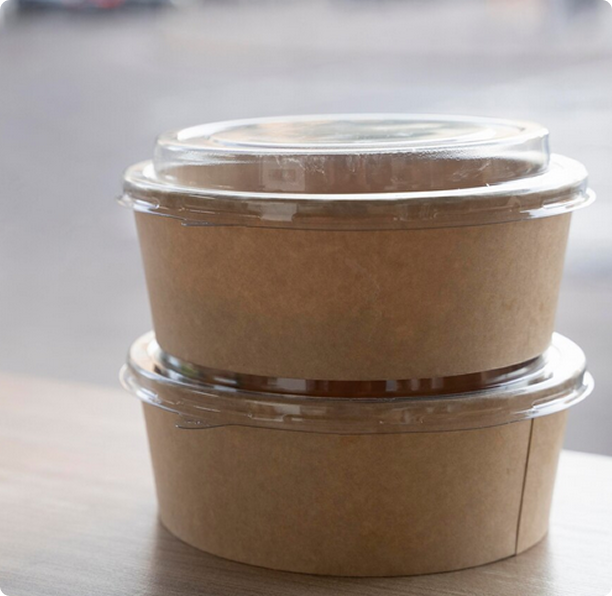
We combine sugarcane pulp (bagasse) with other plant-based pulp to  create what we call ‘plant fibre.’ A versatile, strong and inexpensive  solution. 

PLA Bioplastic

PLA (short for polylactic acid) is a type of bioplastic made from  plant-based resources like corn. Biopak’s PLA products are certified  industrially compostable.

FSC™ Paper & Birchwood

The Forest Stewardship Council (FSC™) logo means our wood is sourced  from responsibly managed forests – taking into account water use, energy use, community.

Aqueous

Aqueous cups are certified home compostable and manufactured using a unique waterproof barrier coating, reducing the material needed. Each cup is leakproof.

Plant Fibre

We combine sugarcane pulp (bagasse) with other plant-based pulp to  create what we call ‘plant fibre.’ A versatile, strong and inexpensive  solution. 

PLA Bioplastic

PLA (short for polylactic acid) is a type of bioplastic made from  plant-based resources like corn. Biopak’s PLA products are certified  industrially compostable.

FSC™ Paper & Birchwood

The Forest Stewardship Council (FSC™) logo means our wood is sourced  from responsibly managed forests – taking into account water use, energy use, community.

FAQ’s

Frequently Asked Questions

We use plant-based, renewable and responsibly sourced materials such as plant fibre (bagasse), FSC™ paper, aqueous-lined paper, PLA/CPLA bioplastic, and certified compostable biopolymers. In limited cases, PET/PP plastics are used where no compostable alternative is suitable.

Many of our materials — especially plant fibre, PLA-lined items, CPLA, and soft bioplastic — are certified compostable under Australian and European standards.

Home Compostable: Breaks down in backyard compost bins under natural conditions.

Products made from 100% paper or aqueous-lined paper are typically recyclable in kerbside bins, provided they’re clean and free from food residues.

Some older plant fibre products contained added PFAS and were not compostable. From July 2024, we have removed PFAS-added items entirely.

While not ideal, compostable packaging still has lower environmental impact than traditional plastic because it is made from renewable resources.

Insights & Updates

Stories, Guides, And Updates To Help You Make Informed Choices.

Regulation

5 Ways Eco Bags Reduce Daily Waste

Eco bags are more than reusable—they’re a long-term solution for reducing plastic use.

Regulation

Choosing the Right Coffee Cup for Your Business

Eco bags are more than reusable—they’re a long-term solution for reducing plastic use.

Regulation

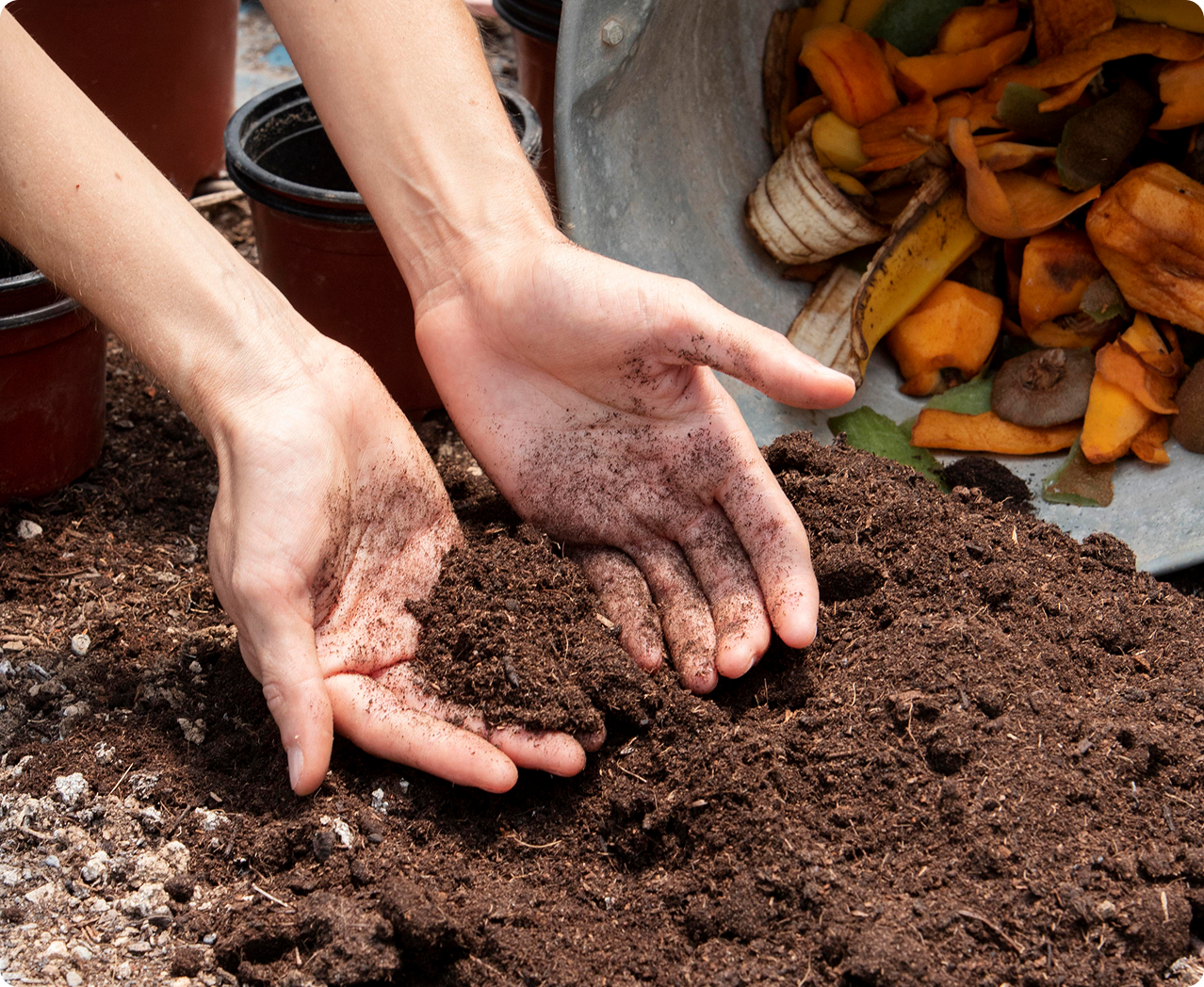
How Composting Reduces Methane Emissions

Food waste in landfills releases methane—28× more harmful than CO₂. Here's how composting solves it