Responsible Disposal & Recycling Guide

Learn how to correctly dispose of our product materials to reduce environmental impact and support a cleaner future.

Benefit

What Recycling Labels Should You Look For to Know the Truth?

Recyclable

This is assumed safe for kerbside recycling. To get this logo, more than 80% of councils must accept this item in kerbside recycling.

Conditionally Recyclable

This means you must follow the specific instructions beneath the label in order for the item to be recycled.

Not Recyclable

This means an item cannot be recycled in kerbside recycling and must be placed in your general waste bin.

Check Locally

This means an item MAY be recyclable and it’s necessary to check with arl.org.au or your local council for more information.

Packaging Can Be Disposed Together
Why Is Composting the Best Recycling Choice for Foodservice Packaging?

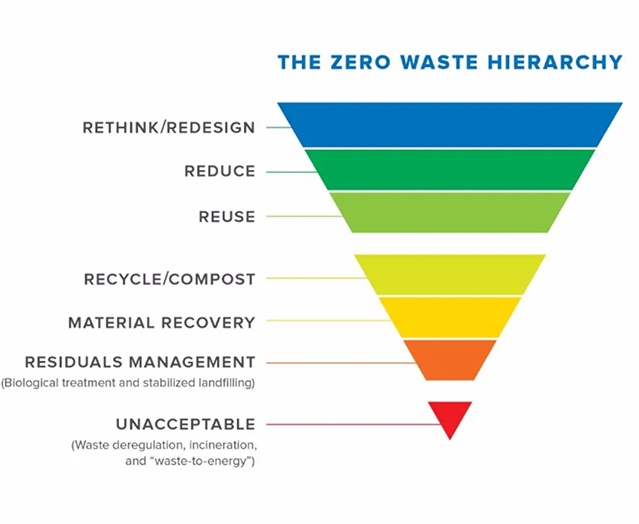
Traditional recycling of paper, metal, plastic and glass is often difficult in the foodservice industry, because it’s either too small to be sorted by recycling plants, is usually contaminated with food, or is made of various materials that can’t be separated easily.
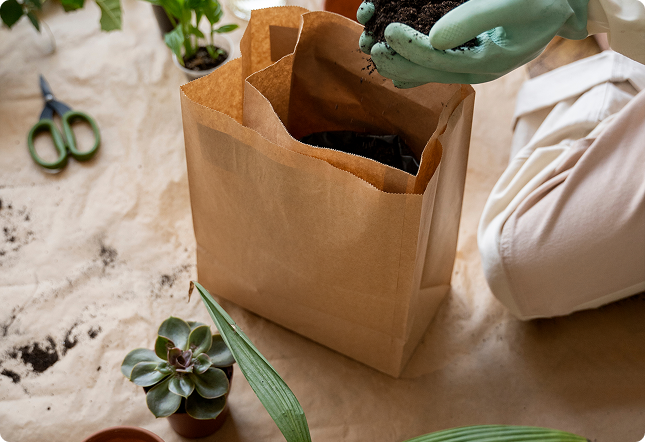
At BioPak, we see composting as the ideal end-of-life option for foodservice packaging. That’s because it acts as a vehicle to help curb food waste – packaging and food waste can all go in one bin, the organic waste bin, to be composted industrially.
Not only that, food waste emits methane in landfill, a greenhouse gas on average 28 times more potent than CO2. Composting helps avoid these emissions, while creating a nutrient-rich resource that can improve soil quality!

Insights & Updates

Stories, Guides, And Updates To Help You Make Informed Choices.

Regulation

5 Ways Eco Bags Reduce Daily Waste

Eco bags are more than reusable—they’re a long-term solution for reducing plastic use.

Regulation

Choosing the Right Coffee Cup for Your Business

Eco bags are more than reusable—they’re a long-term solution for reducing plastic use.

Regulation

How Composting Reduces Methane Emissions

Food waste in landfills releases methane—28× more harmful than CO₂. Here's how composting solves it