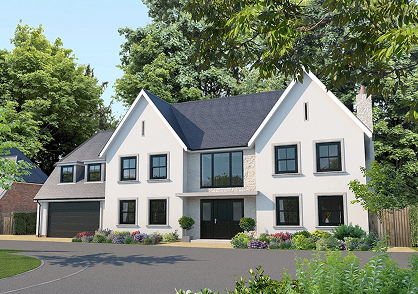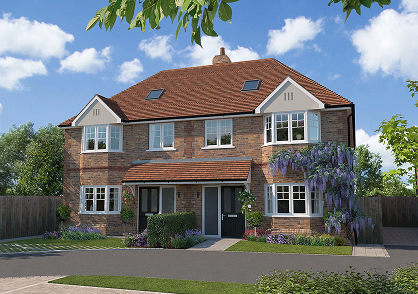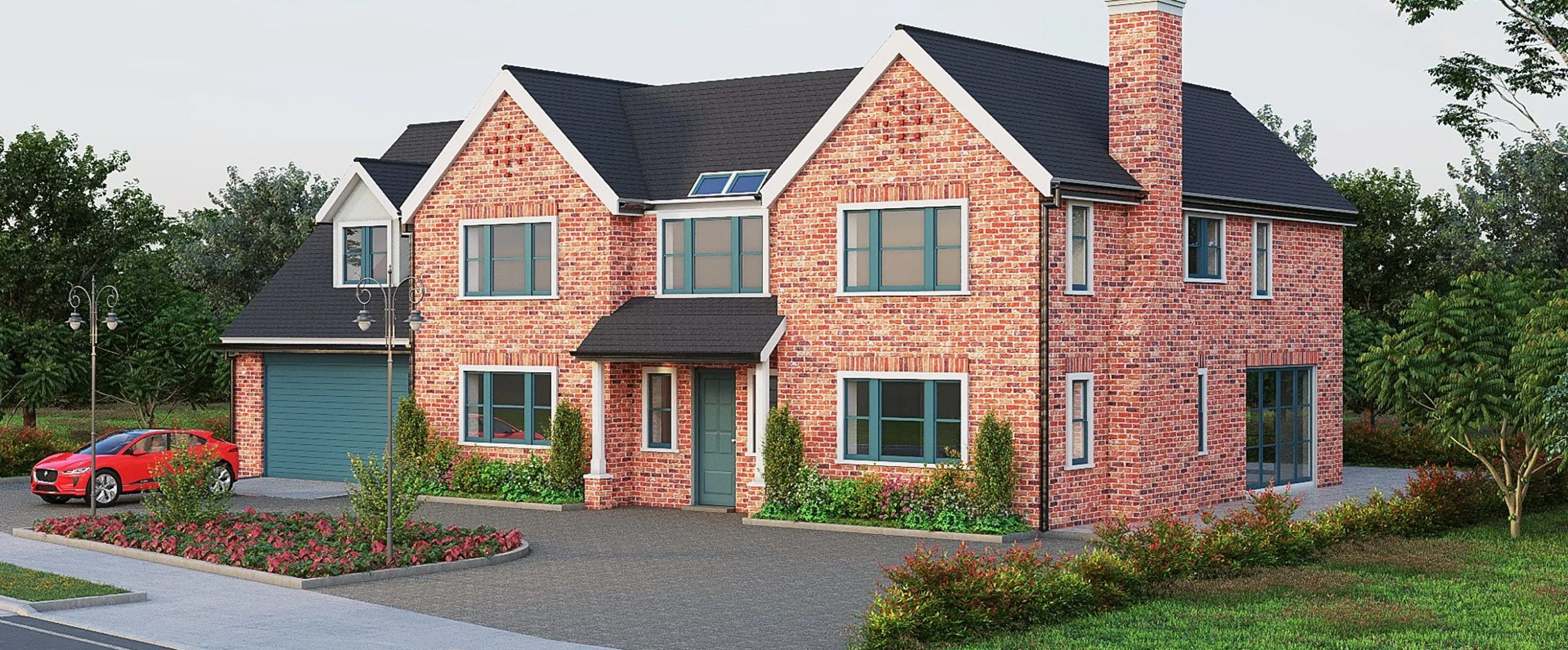
Natural light is one of the most powerful elements in residential architecture. It shapes how spaces are perceived, influences mood and wellbeing, and plays a central role in defining atmosphere. Beyond aesthetic value, daylight impacts functionality, energy performance, and the everyday experience of a home.
At AG Architecture Studio, light is not treated as an afterthought — it is embedded within the design process from the earliest concept stage.
The orientation of a building determines how sunlight interacts with the architecture throughout the day and across seasons. Understanding the sun’s path allows us to position primary living spaces where they will benefit most from natural light.
South-facing rooms often receive consistent daylight, while east-facing spaces capture softer morning light. West-facing glazing introduces warmth in the evening but requires careful management to prevent overheating. These decisions influence not only comfort but also energy efficiency and seasonal performance.
Early site analysis ensures that light becomes an intentional design driver rather than a reactive solution.
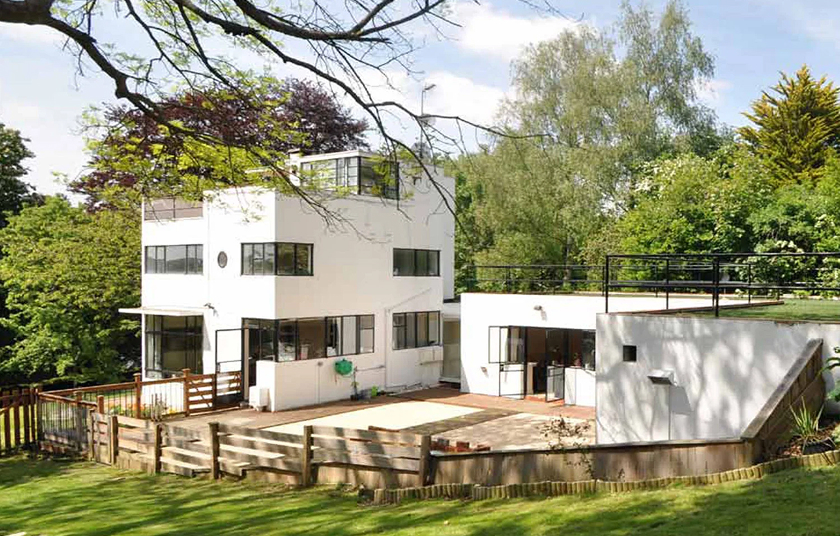
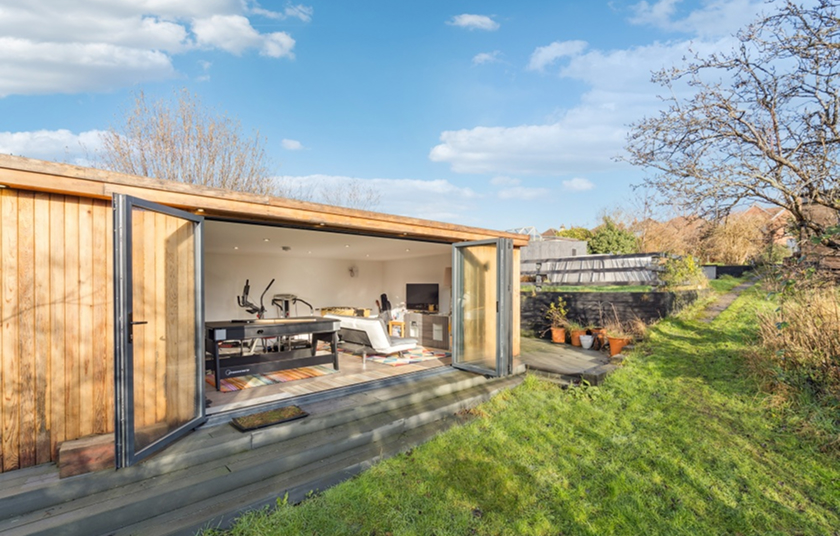
Good daylight design extends beyond window placement. It is closely linked to spatial planning.
Open sightlines, aligned openings, and carefully positioned internal partitions allow light to travel deeper into a home. Even in compact properties, subtle layout adjustments can dramatically improve natural illumination.
The goal is to create a sense of openness without sacrificing comfort or privacy.
Beyond technical considerations, natural light shapes emotional response. A well-lit home feels welcoming, open, and connected to its surroundings.
Morning light in a kitchen, soft afternoon light in a living area, filtered daylight in transitional spaces — these subtle qualities contribute to everyday comfort and long-term enjoyment.
Architecture should enhance these experiences rather than compete with them.
Natural light is not simply about brightness — it is about atmosphere, proportion, and longevity. By carefully analysing orientation, planning spatial flow, and selecting appropriate materials, we create homes that feel balanced and enduring.
When light is integrated thoughtfully, it becomes an architectural feature in its own right — quietly shaping the way a home is lived in and experienced over time.


 Online Chat?