We design and build AI-native products — SaaS platforms where AI is the core value proposition, not a bolt-on feature. AI product strategy, LLM integration, ML model development, data pipeline engineering and production deployment for founders building AI startups and enterprises launching AI-first products.
AI-native products are designed from the ground up — data model, API design, UX and infrastructure all optimise for AI performance. Retrofitting AI into an existing product always creates compromises.

Designing for AI means handling latency, uncertainty, streaming responses, error states and user trust in ways standard UX does not address. Getting AI UX wrong destroys the value of technically excellent AI.

The most defensible AI products accumulate proprietary data and improve over time. Building the right data architecture from day one creates the compounding advantage competitors cannot replicate.

AI product discovery — defining the core value proposition, identifying training data sources, selecting the right model approach (LLM, fine-tuned, custom ML, RAG), designing the feedback loop and mapping the technical architecture before writing code.
Complete AI SaaS products — backend AI pipeline, API layer, web or mobile frontend, user management, subscription billing, analytics and scalable infrastructure. Built for AI from day one: streaming responses, token cost management and evaluation frameworks.
Custom model training and fine-tuning for domain-specific performance — building and deploying custom classifiers, regression models and computer vision systems. Where general-purpose LLMs are too expensive, too slow or not accurate enough.
AI evaluation frameworks — datasets, automated test suites, human feedback loops and monitoring dashboards measuring LLM response quality, accuracy and user satisfaction continuously.
Business isn't one size fits all. Every industry requires a custom solution. Learn more about how we've helped businesses in your industry by clicking below.
Full-stack AI product development for founders building AI-first companies — from validated idea through production launch and investor-ready traction.
Clinical AI products, diagnostic assistance tools and patient outcome prediction models built to healthcare compliance standards.
AI-powered legal research, contract analysis, due diligence tools and compliance monitoring platforms.
Credit scoring models, fraud detection systems, trading analytics and financial document intelligence.
Personalised learning platforms, adaptive assessment systems, AI tutors and educational content generation tools.
Internal AI platforms, enterprise search, knowledge management and AI-assisted decision support for large organisations.
See how we've helped startups and enterprises with ai product development — delivering measurable outcomes.

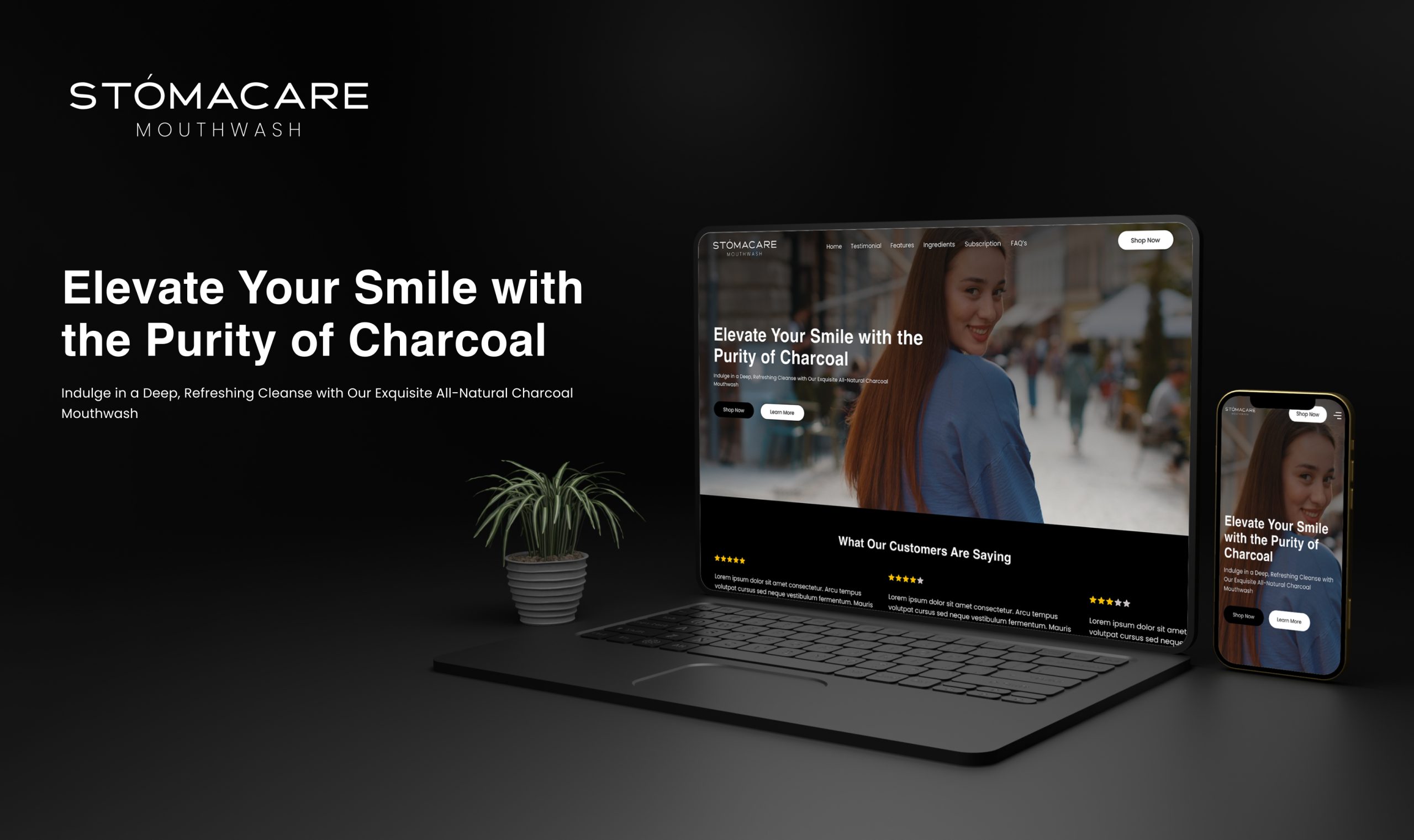
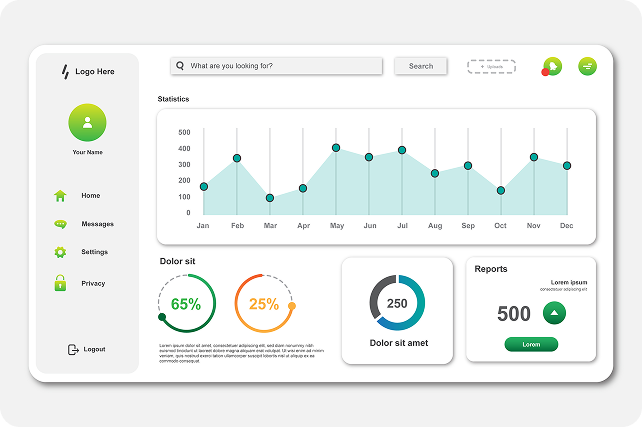
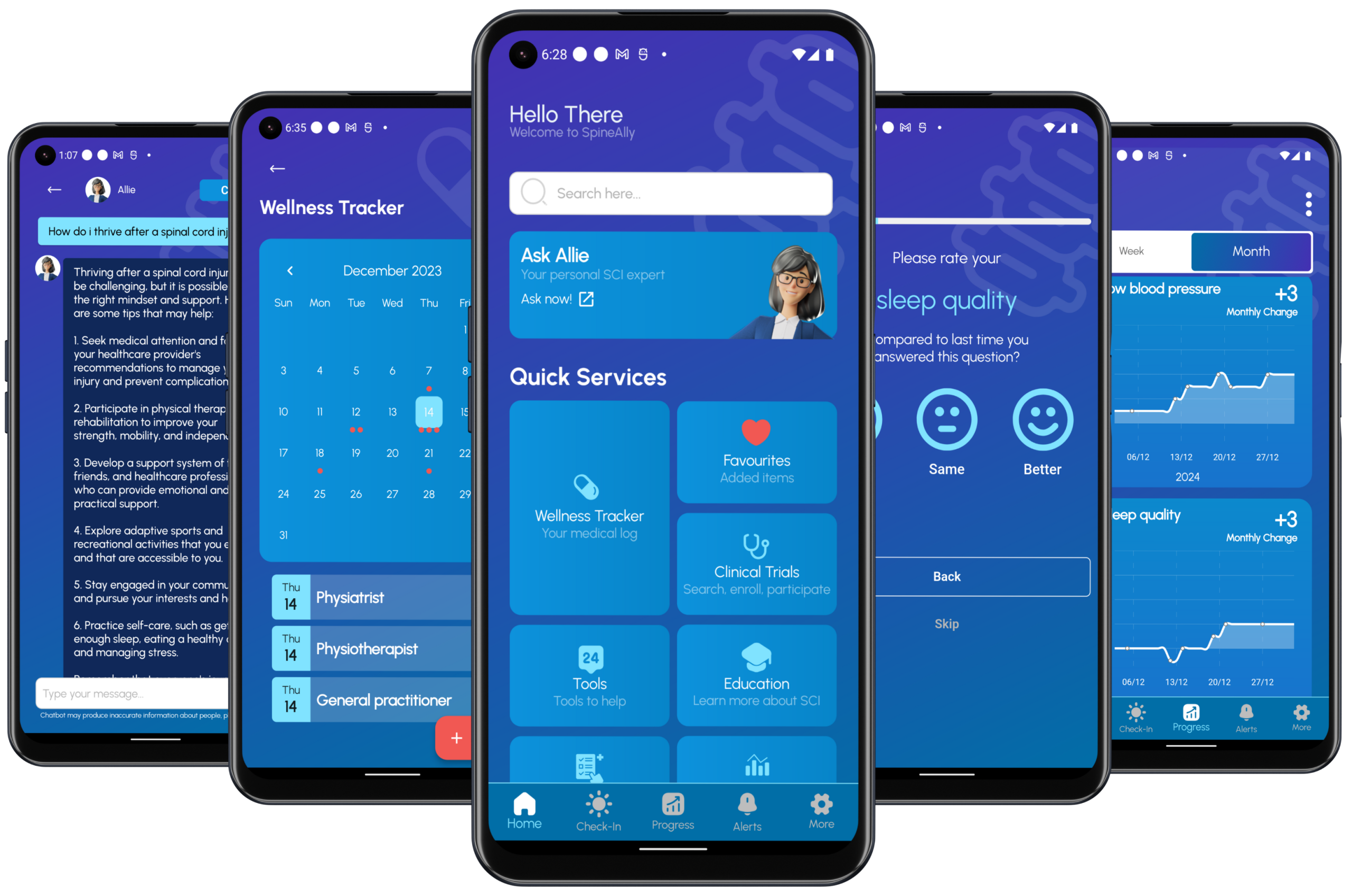
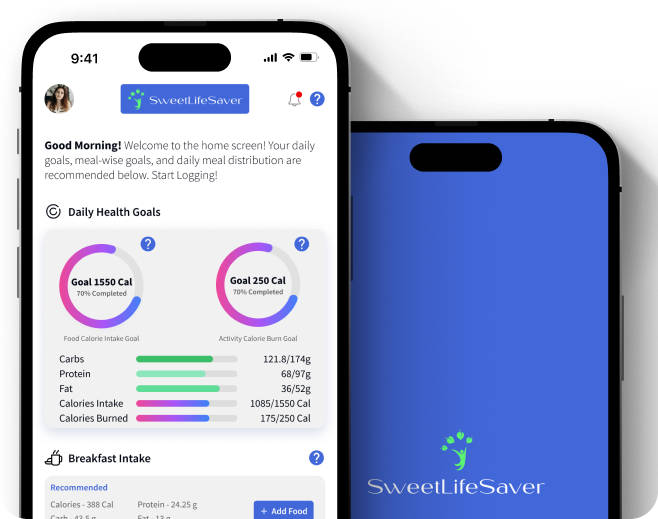
From startups to enterprises — businesses in 15+ countries trust Fortmindz for ai product development that delivers measurable outcomes.





At Fortmindz, our AI product development process is designed for founders and product teams building AI-first products — where the architecture decisions made in the first two weeks determine the product's performance, cost profile and scalability for years.
We run a structured 2-week discovery sprint — defining the core AI value proposition, identifying the training data sources, selecting the right model approach (LLM, fine-tuned, custom ML, RAG), designing the feedback loop and producing the complete technical architecture specification before development begins.

We stress-test the AI product's core value proposition — is it genuinely better solved with AI than without, who specifically will pay for it, and what is the competitive moat.

We audit available data sources, assess data quality and quantity for the intended model approach, and identify any data acquisition or labelling work required before training or RAG can be reliable.

A written ADR documenting every major architecture decision — model approach, infrastructure choices, data pipeline design — with the trade-offs considered and the rationale for each decision.

An AI-native product is designed from the ground up with AI as the core value proposition — architecture, data model, UX and infrastructure all optimise for AI performance. Adding AI to an existing product means retrofitting AI into architecture not designed for it, creating compromises expensive to fix later.
Use an LLM when you need general language understanding, reasoning or generation and performance is adequate at acceptable cost. Use a custom ML model when you need domain-specific accuracy LLMs cannot achieve, when inference speed and cost matter significantly, or when the task is classification, regression, recommendation or computer vision.
We build evaluation frameworks from the start — ground truth datasets, automated test suites, accuracy metrics and human evaluation protocols. We measure before deployment and continuously after. We also implement output validation, confidence thresholds, uncertainty communication in the UX and human-in-the-loop gates for high-stakes decisions.
A focused AI MVP takes 10-16 weeks. A production-ready AI SaaS with full user management, analytics and multi-model architecture takes 20-32 weeks. Custom ML model development adds 6-12 weeks depending on dataset availability and model complexity.
We design data governance into AI products from the start — data classification, retention policies, access controls, audit logging and compliance documentation. For healthcare AI: HIPAA-compliant architecture. For EU user data: GDPR-compliant pipelines with consent management.
Yes. We fine-tune foundation models (GPT, Claude, Llama) or train custom models on your proprietary data — handling data cleaning, annotation workflow design, training pipeline setup, evaluation and deployment. We also assess whether fine-tuning is the right approach versus RAG, which is often more cost-effective.
Tell us what you need. We'll come back within 24 hours with a specific technical approach, honest timeline and zero-obligation proposal.
Start the Conversation
Hear from our clients and why 3000+
businesses trust Fortmindz

“Essential Designs was able to create a cutting edge application that will save lives, they always say "Anything can be done" and are definitely able to deliver on that promise.”

“Essential Designs was able to create a cutting edge application that will save lives, they always say "Anything can be done" and are definitely able to deliver on that promise.”
Transformation Engineers Delivered
Game-changing Products